
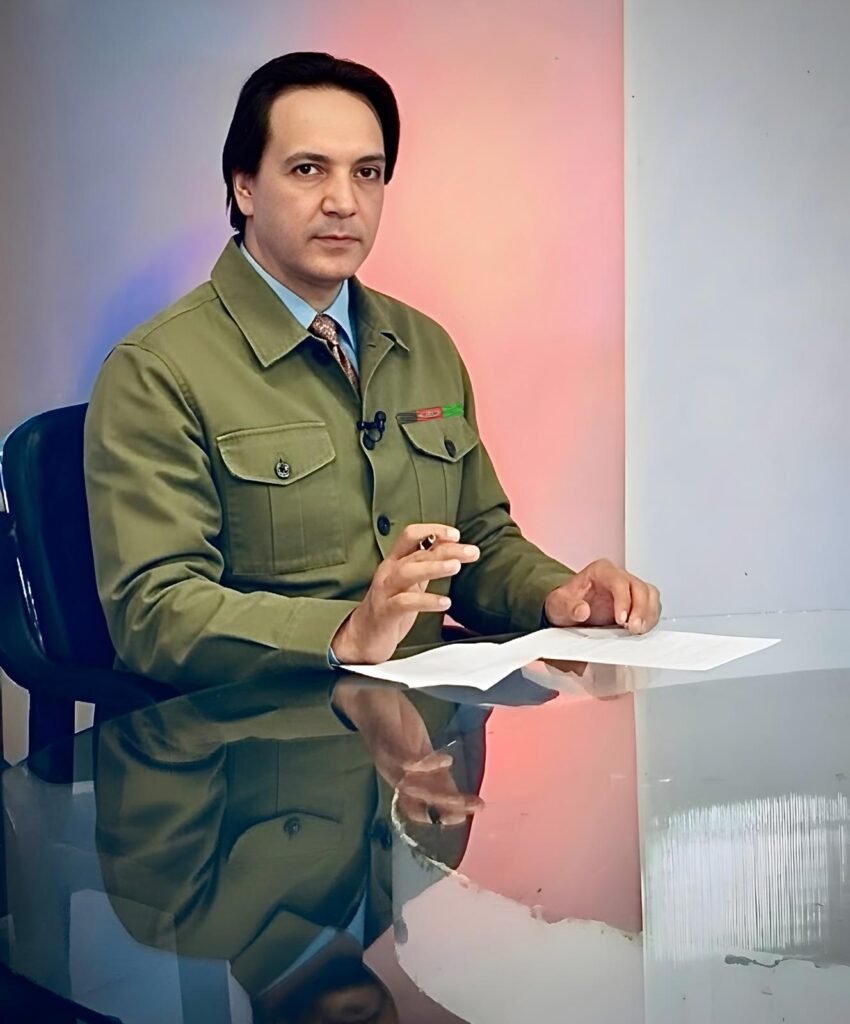
Biography of Dr. Mohammad Ashraf Imani
In the name of Allah
The Living and the Eternal
A summary of the biography
of Dr. Mohammad Ashraf Imani,
Chairman of the Peace
and Development Party of Afghanistan,
leader of the great movement to save Afghanistan
from the crisis and sponsor of 10,000 female students to continue their
education online: Dr. Mohammad Ashraf Imani, Global Ambassador for Peace, son of the late Mohammad
Hashim Khan Yousafzai, was born in Karte Chahar,
Kabul. He completed his secondary
education at Habibieh High School and higher
education at Kabul University. With the arrival of Soviet forces
and the intensification of the tense atmosphere in 1978, he left home and family
and began political struggles. In addition to political activities, he continued his education in the fields
of administration and management, theology and education
at the master’s level. At the same time, he worked as a professor of scientific
subjects and trained thousands of students, many of whom are now doctors,
engineers and prominent figures of the nation and the state. He served in
positions such as the principal of Sayed Jamaluddin High School and the head of secondary vocational education. He also taught postgraduate courses as a professor at the Afghan-German Foundation Academy.
With the change of regime of Dr. Najibullah, he returned to Kabul and took charge of the administrative affairs of the Prime
Minister’s Office. Among his duties were the head of the housing factory,
deputy minister of water and electricity, and first deputy
minister of refugee
return. Then he worked as the minister of refugee return. He was appointed as the mayor of Kabul for a while, but resigned due to the lack of cooperation
from the presidency. In new appointments before
the Taliban entered Kabul,
he was appointed as the minister
of aviation and tourism, but left the country with the fall of Kabul.
Writings and works: 1. Political and scientific articles and comments in
various magazines and newspapers 2. Thesis “Where are we headed?” 3.
Thesis “Government in Government” 4. The book “In the Spectrum of Times” 5. “Differences between
Colonialism and
Consumption” 6. “Let the Nation Go” 7. “Youth and Social
Responsibilities” 8. “Call Women Alive and Righteous” 9.
“Discrimination and Prejudice or Infidelity to the Same” 10.
Collaboration and writing a critique of the book “Wasted Desires” 11.
“Alternative to Opium and Agricultural
Growth” 12. Preparation of scientific and
scientific materials and lectures for baccalaureate and undergraduate degrees
from foreign sources
13. “Open Economy as a Factor of
Minority Tyranny over the Majority” 14. “Civilized Reconstruction” 15. “The Impact
of Women and Children’s Growth on Society” 16. “Soft Marketing Behind the Scenes” 17. “The Adverse
Effects of Democracy
“Incomplete” 18. More than 1512 political and scientific comments and
content on Facebook and Twitter pages 19. Participation in conferences, investigative comments and round tables of domestic and foreign
television. Implicit duties
and missions within
the framework of the government: 1. Head of the establishment of the scientific rank and ranks of government repatriation
officers. 2. Head of the implementation of the peace provisions between
the conflicting parties.
3. Head of the delegation and authorized representative of Afghanistan in
the Geneva Tripartite Conferences.
4. Head of the High Commission of the Presidency of the Government to
Investigate Internally and
Externally Displaced Persons. 5.
Head of the Reformation Board for the Southern and Eastern Zones
of the Country. 6. Head and official representative of the
country in the annual conferences of the United Nations
World Refugee Convention. 7. Making Afghanistan a member of the World Convention. Honors and distinctions: 1. Honorary rank
of Major General after one year. 2. Wazir Akbar Khan Peace Medal from the then President. 3. Sayed Jamaluddin Afghan Medal for excellent achievements for refugees and demining of areas
Returnees. 4. Four times letters
of commendation and appreciation from the head of state,
the prime minister, and the peace commission between the parties
involved in the civil wars. Missions after the fall of the Taliban regime:
1. Briefly heading
the Ministry of Education until
the formation of the interim
government in Bonn.
2. Efforts for the process of parliamentary regime,
democracy, and freedom of expression, which he himself chaired and organized in
Kabul, with the presence and participation of domestic and foreign journalists.
3. Dispatch to Washington as the first diplomat after the Taliban regime, given
the necessity of the government at the time. 4. Education in the fields of
economics, political law, and international relations at the master’s and
doctoral levels from George Mason and George
Washington universities. 5. *Foreign trips: Switzerland – England –
Germany – Belgium – Sweden – France
– Iran – Pakistan – India – Libya – Austria – Canada
– America – China – Saudi Arabia
– United Arab Emirates – Tajikistan and Turkey. 6. Domestic trips:
Baghlan – Takhar
– Kunduz – Panjshir – Mazar-
e Sharif – Badakhshan – Paktia – Logar – Maidan Wardak – Paktika – Parwan Kapisa – Helmand – Herat – Balkh –
Kandahar – Farah – Nimroz – Jozjan – Faryab – Ghazni
– Laghman – Jalalabad and Kanar. Beliefs:
1. The religion of Islam and the supremacy of the word of God. 2. A free country and a united nation free
from prejudice and discrimination. 3. Respect
for the constitution and true justice. 4. Protection of human rights,
women’s rights and animal rights. 5. Maintaining
territorial integrity and good relations with other countries. 6. Free
education and health insurance for all. 7. Growth of agriculture and livestock
along with the industrialization of
the country. 8. Ending the war and eradicating drugs. 9. Respect for the rights
of children and adults. 10. Creating employment and sending young people to
higher education. 11. Strengthening the culture of reading and developing
sports centers. 12. Supporting the nation’s right to strike and civil
demonstrations. 13. Sponsoring ten thousand female students to continue their
education online. 14. Establishing economic infrastructure and utilizing
economic resources in order to move towards self-sufficiency. 15. Respect for
elders, women, and minors. 16. Creating employment opportunities for all and sending
young people for higher education
to countries that are friendly
and interested in science
and knowledge. 17. Establishing sports
centers and fields
throughout the country
for healthy education and
ensuring the health of the community. 18. Strengthening the culture of reading
as a fundamental tool for the intellectual growth of the community. 19. Expressing hatred for war and warlords, for whatever reason.
20. Recognizing strikes and civil demonstrations as a right.
21. After the gates of higher and academic education were blocked on girls, Dr. Imani, with the aim of continuing their education, was the biggest sponsor and innovator
to support ten thousand female students, to full sponsorships to
continue their online education. Dr. Mohammad Ashraf Imani is an inspiring
figure for the nation
of Afghanistan with the combination of knowledge, experience and social commitment. His
efforts in the political, scientific and social fields have been a model for
future generations and have kept the hope of a brighter future alive for Afghanistan.
with respect .